
What we do?
Programme design and management
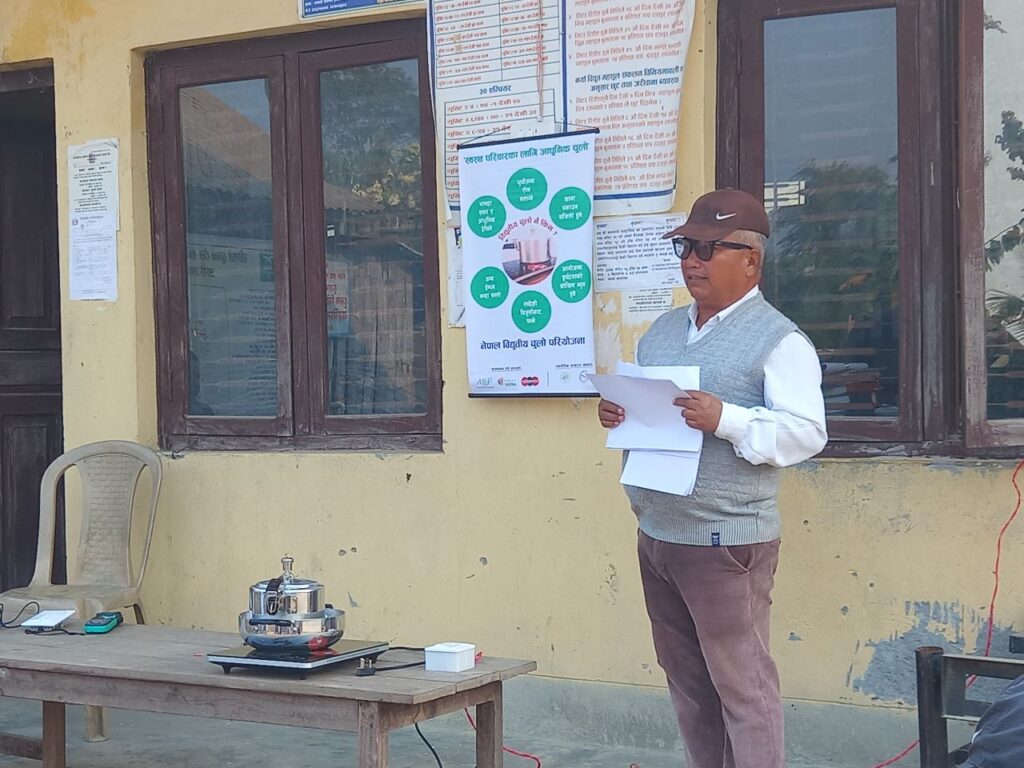
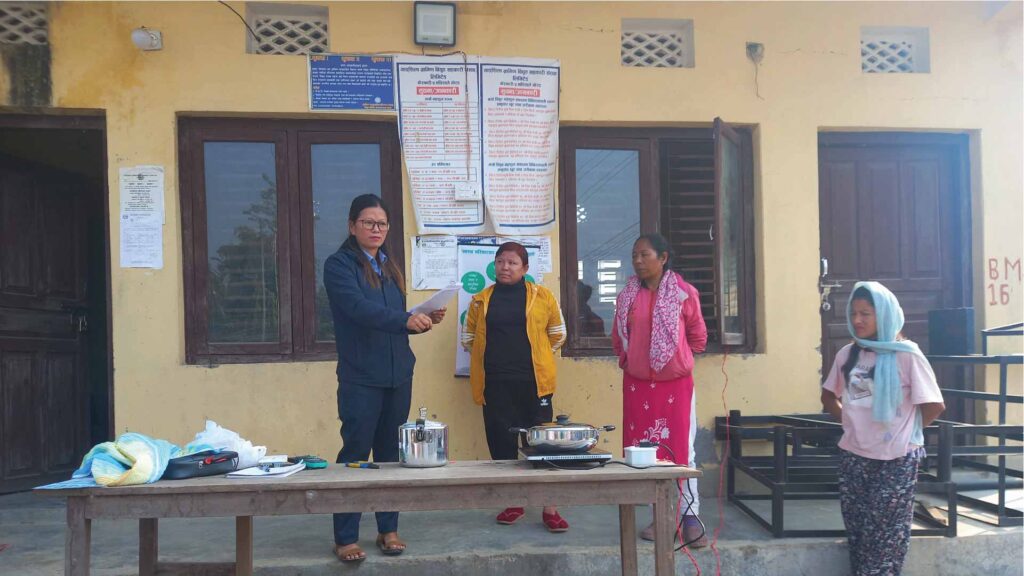
Our experts have a well-established record of designing and managing/implementing a wide variety of projects in the fields of clean energy, climate-smart village development, WASH, human empowerment, leadership development, governance, and natural resource management. Needless to say, gender equity and social inclusion, and human centricity, with due consideration to the environment and climate change, are the key overarching principles that we strive to build into our project design and implementation.
Picture by : Krishna Duwal
Picture by : Krishna Duwal
Policy analysis and feedback
Vikas Yatra works to substantially contribute to the formulation and implementation of effective policies through engagement with stakeholders, policymakers, and the government on environment, climate change and energy-related issues.
Research
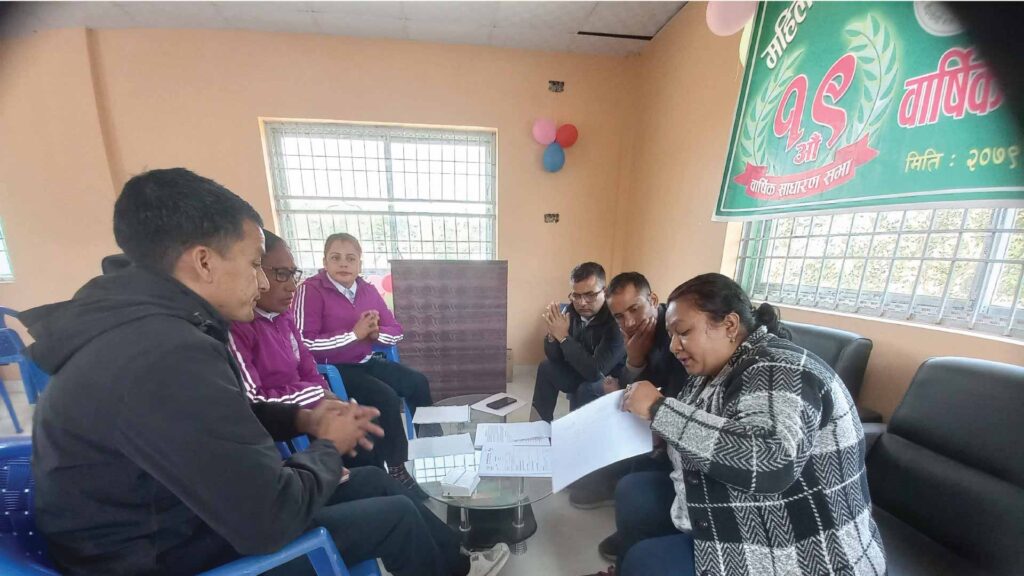
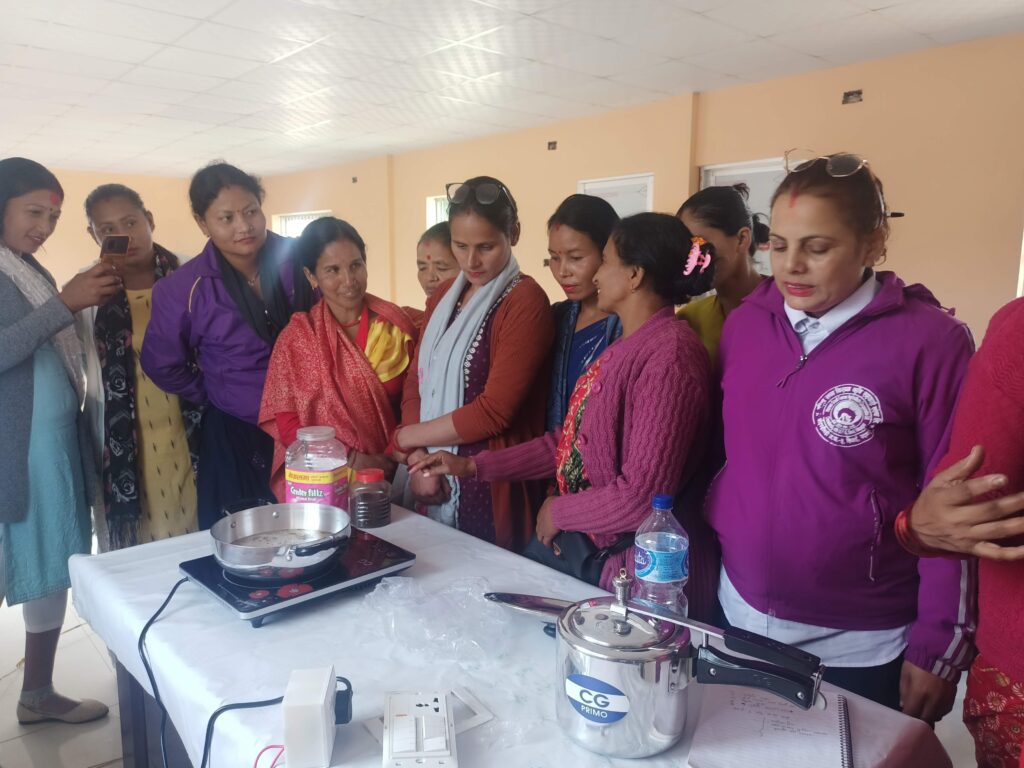
Professionals at Vikas Yatra have a strong background in both qualitative and quantitative research. We believe ‘research for impact’ which does not only focus on producing findings and publications but also impacts lives ultimately. We believe in conducting studies and designing research in a way that findings are relevant, impactful, and buyable to a wide range of stakeholders in the relevant sector(s). We also conduct baseline and end-line surveys for energy, environment, and climate change-related projects.
Picture by : Krishna Duwal
Picture by : Krishna Duwal
Monitoring and evaluation
Vikas Yatra understands the importance of providing evidence on the effectiveness of our programs in supporting our partners, capturing successful practices, and ensuring transparency and accountability. In order to assess the quality, effectiveness, and impact of our projects and programs, we utilize a wide range of rigorous and innovative methodology. As a research and development organization, we are committed to actively investing in internal evaluations that place a high priority on learning and provide us with opportunities to experiment with new methods. This approach enables us to create a comprehensive repository of programmatic knowledge. By embracing a data-driven approach, we are able to make evidence-based decisions and effectively manage our programs. By dedicating ourselves to research, refining methods, and prioritizing evidence-based programming, we actively contribute to organizational learning and exert influence over policies.
Capacity building
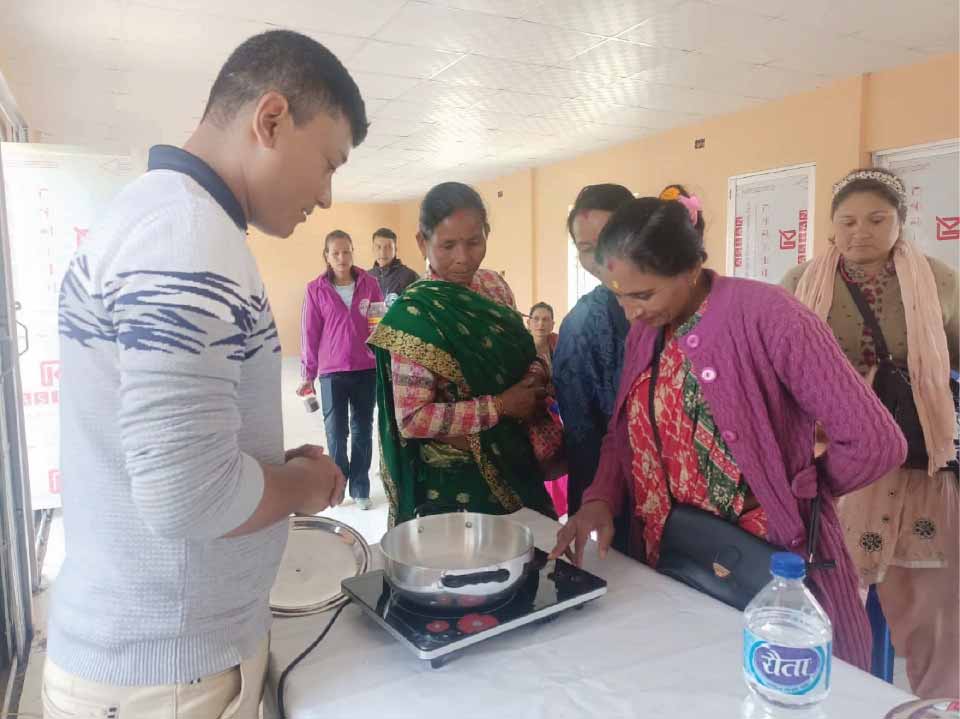
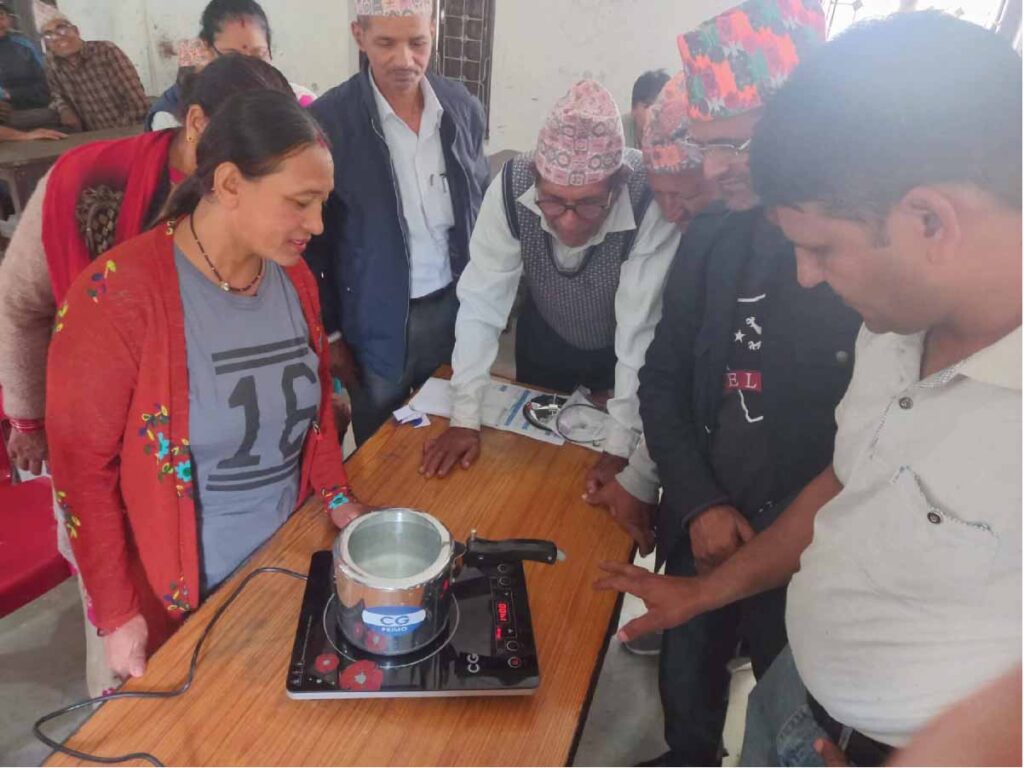
We provide capacity building trainings, coaching and mentoring on productive end-uses of energy; correct and sustained use, and market system development of household energy technologies; leadership and energy-based entrepreneurship development; research tools and methods; sustainable management of degradable wastes; rooftop gardening; and climate-smart farm technologies.
Picture by : Krishna Duwal
Picture by : Krishna Duwal
Advocacy and awareness campaigns
Our team has a long-standing experience in leading awareness campaigns and in developing different communication strategies and tools for different target audiences and advocacy and awareness programmes.
Thematic Areas
Energy is a key to the development of any society. Poor access to energy for the purposes of heating, cooling, mobility, illumination, communication, and kinetic work has left many in developing societies unable to break the poverty trap. Many are even losing their lives because of their exposure to toxic gases emitted from the burning of traditional fuels to fulfill their needs for various energy services. Reliable access to clean and modern energy can greatly enhance one’s ability to achieve better health, education and to participate in income generating activities. Therefore, access to clean and reliable energy solutions is one of our primary focus areas.
Regardless of Nepal’s minimal role in the historical contributions to climate change and global warming, given the state of development and poor economy, Nepal is one of the most vulnerable nations to climate change impacts. Nepal’s difficult terrain, poor infrastructure, heavy reliance on agriculture, and poor economy make it all the more vulnerable to natural hazards and calamities attributable to climate change. Therefore, climate change actions and the protection of ecological goods and services must be built into any developmental activities intended to improve the well-being of the local communities.
While newer innovations in the fields of technology and finance are allowing many to access and own a wide variety of consumer products, our consumption of ecological goods and services in order to produce such products has far outpaced nature’s capacity to replenish them. Similarly, by producing an ever-growing quantity of waste and pollutants, we are not only putting every species’ (including ours) health and well-being at risk but also inadvertently committing to environmental injustice and compromising future generations’ ability to live healthy and comfortable lives. Vikas Yatra is committed to addressing this huge global problem and starting at the local level by promoting a circular economy and sustainable waste management.
Vikas Yatra is dedicated to advancing and nurturing effective governance practices for the improvement of organizations and society as a whole. Our main objective is to establish a platform that enables the acquisition of knowledge, the exchange of ideas, and the implementation of practical solutions to enhance governance structures. At Vikas Yatra, we firmly embrace the principles of accountability, transparency, participation, responsiveness, efficiency, equity, and inclusiveness. These principles shape our developmental initiatives and serve as guiding values for evaluating and improving governance practices within Vikas Yatra, our local partners, and the communities we serve. We prioritize accountability by ensuring that individuals and organizations take ownership of their actions and decisions. Additionally, we emphasize transparency by fostering openness and accessibility in information, processes, and decision-making activities.
By upholding these pillars, organizations and societies can establish robust governance frameworks that foster transparency, accountability, and the overall well-being of all stakeholders. Within Vikas Yatra, we actively work towards implementing these principles to create a positive and impactful change in governance practices.
Disaster risk management is also one of the thematic area of Vikas Yatra.
Vikas Yatra also focuses on Drinking water and sanitation projects to ensure health and safety.
Gender equality surpasses its perception as a women’s issue and is a fundamental human right that benefits society as a whole. It entails ensuring equal opportunities for individuals of all genders to obtain education, pursue employment, assume leadership roles, and engage in decision-making processes. By dismantling gender stereotypes, breaking down barriers, addressing systemic inequalities, challenging discriminatory practices, and implementing inclusive policies, we can establish a society where everyone can actively participate, contribute their distinct perspectives and talents, and thrive to their fullest potential. We are committed to fostering positive transformation through education, advocacy, and active involvement within our community. Here is our approach to advancing gender equality and social inclusion: raising awareness and disseminating information, empowering individuals, advocating for policy changes, and actively engaging with the community. Together, these pillars form the foundation of our efforts to drive meaningful change and create a more inclusive society.
Our commitment lies in increasing awareness, facilitating meaningful discussions, and inspiring proactive measures to build a society that embodies true inclusivity and equity. Together, let us embark on this transformative journey of embracing diversity and crafting a world where every individual can flourish. We have the opportunity to contribute to gender equality and social inclusion. Together, let’s work towards a more equitable and inclusive future. Join us in creating a future where empowerment, respect, and inclusion are fundamental for all through our development initiatives. Together, we can amplify our voices and make a significant collective impact.