
Explore our Thematic Areas
- Home
- Thematic areas
Picture By: Babita Adhikari
Picture by : Krishna Duwal
Sustainable Energy
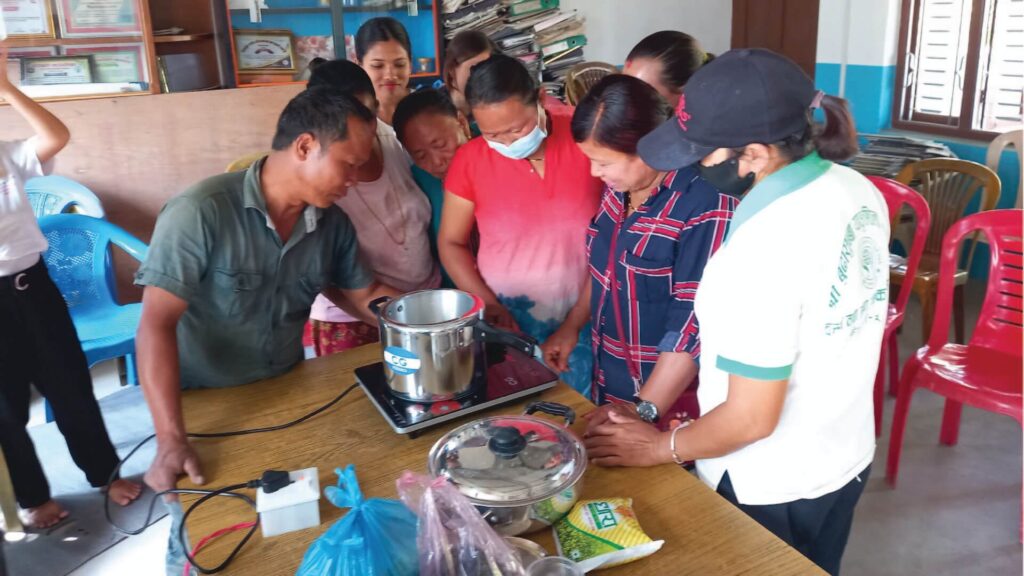
Energy is a key to the development of any society. Poor access to energy for the purposes of heating, cooling, mobility, illumination, communication, and kinetic work has left many in developing societies unable to break the poverty trap. Many are even losing their lives because of their exposure to toxic gases emitted from the burning of traditional fuels and imported fossil fuels to fulfill their needs for various energy services. Reliable access to clean and modern energy can greatly enhance one’s ability to achieve better health, education and to participate in income generating activities. Therefore, access to clean and reliable energy solutions is one of our primary focus areas.

Picture by : Babita Adhikari
Climate Change
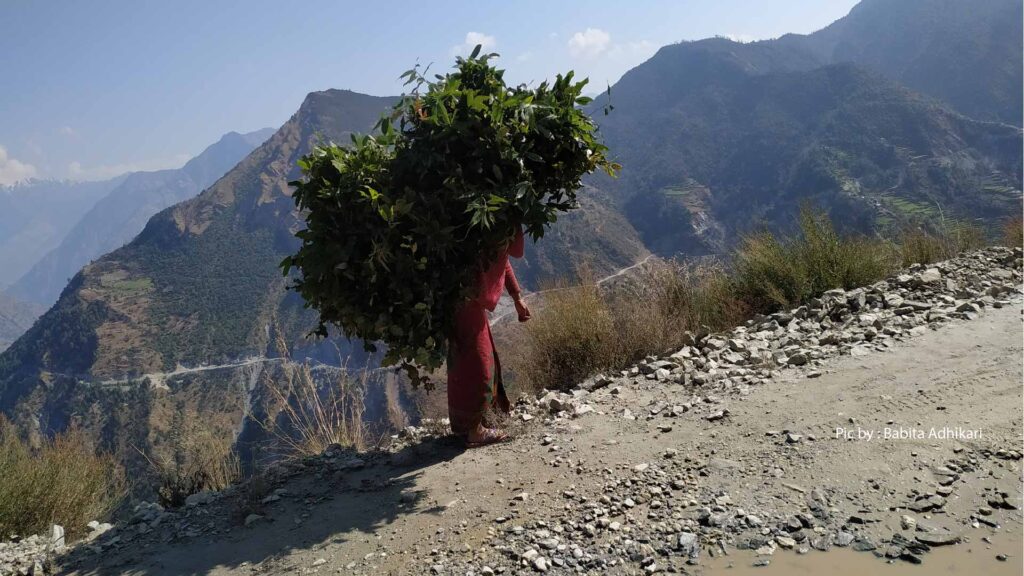
Regardless of Nepal’s minimal role in the historical contributions to climate change and global warming, given the state of development and poor economy, Nepal is one of the most vulnerable nations to climate change impacts. Nepal’s difficult terrain, poor infrastructure, heavy reliance on agriculture, and poor economy make it all the more vulnerable to natural hazards and calamities attributable to climate change. Therefore, climate change actions and the protection of ecological goods and services must be built into any developmental activities intended to improve the well-being of the local communities.
Picture by : Babita Adhikari
Environment
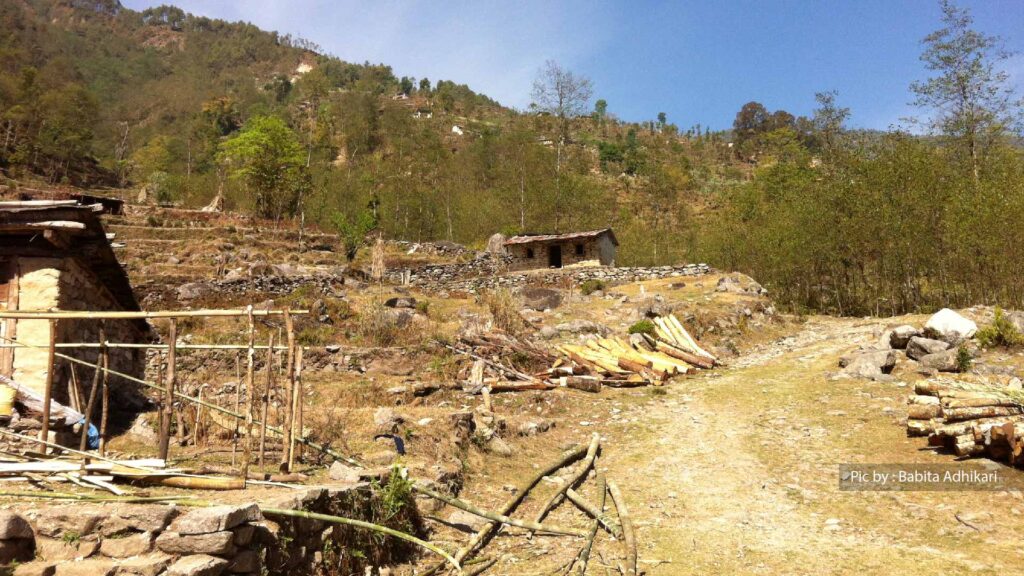
While newer innovations in the fields of technology and finance are allowing many to access and own a wide variety of consumer products, our consumption of ecological goods and services in order to produce such products has far outpaced nature’s capacity to replenish them. Similarly, by producing an ever-growing quantity of waste and pollutants, we are not only putting every species’ (including ours) health and well-being at risk but also inadvertently committing to environmental injustice and compromising future generations’ ability to live healthy and comfortable lives. Vikas Yatra is committed to address these widespread problems and start at local level by promoting responsible consumption (reduce, reuse and recycle), circular economy and sustainable management of wastes.
Picture by : Babita Adhikari
Disaster Risk Management
Vikas Yatra can enhance the safety, well-being, and resilience of communities in disaster-prone areas by recognizing the critical link between cooking energy and cooking related disaster. We can work together for integrating clean cooking solutions, promoting sustainable practices, and strengthening the cooking energy infrastructure as an essential steps towards a more resilient future. Together, let’s work towards ensuring the safe cooking solution as an integral part of disaster preparedness, response, and recovery efforts, safeguarding lives and livelihoods in the face of adversity.
Picture by : Krishna Duwal
Gender Equality & Social Inclusion
Gender equality surpasses its perception as a women’s issue and is a fundamental human right that benefits society as a whole. It entails ensuring equal opportunities for individuals of all genders to obtain education, pursue employment, assume leadership roles, and engage in decision-making processes. By dismantling gender stereotypes, breaking down barriers, addressing systemic inequalities, challenging discriminatory practices, and implementing inclusive policies, we can establish a society where everyone can actively participate, contribute their distinct perspectives and talents, and thrive to their fullest potential. We are committed to fostering positive transformation through education, advocacy, and active engagement in our community. Here is our approach to advancing gender equality and social inclusion: raising awareness and disseminating information, empowering individuals, advocating for policy changes, and actively engaging with the community. Together, these pillars form the foundation of our efforts to drive meaningful change and create a more inclusive society in the long-run.
Picture by : NECC
Governance
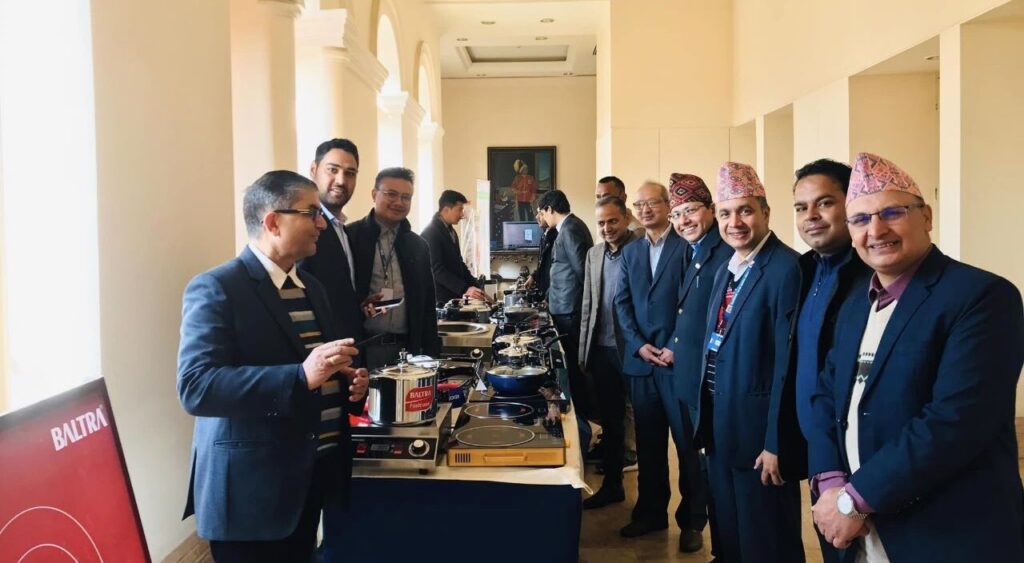
Vikas Yatra is dedicated to advancing and nurturing effective good governance practices for the improvement of organizations and society as a whole. Our main objective is to establish a platform that enables the acquisition of knowledge, idea exchange, and practical solutions to enhance governance structures. At Vikas Yatra, we firmly believe in the pillars of governance: transparency and accountability, rule of law, participation, responsiveness, efficiency, equity, and inclusiveness. These fundamentals of governance shape our developmental initiatives and serve as guiding principles for assessing and strengthening internal process and practices within Vikas Yatra, our local partners, and the communities that we serve. We prioritize accountability by ensuring that individuals and organizations take ownership of their actions and decisions. Additionally, we emphasize transparency by fostering openness and accessibility in information, processes, and decision-making.
By upholding these fundamentals, organizations and societies can establish robust governance frameworks that foster transparency, accountability, and the overall well-being of all stakeholders. Within Vikas Yatra, we actively work towards implementing these principles to create a positive and impactful change in governance practices.

Picture by : Babita Adhikari
Drinking Water & Sanitation
Vikas Yatra also focuses on drinking water and sanitation projects to ensure good health, education, save time and women empowerment. Having access to clean water not only improves the well-being of families but also reduces the daily burden on who frequently assist with household chores by minimizing the time they spend walking and waiting to fetch water. The availability of clean water creates opportunities for children to attend school. Access to drinking water to a community has a transformative effect on the lives of women and girls. It empowers them to reclaim their lives, enabling them to establish businesses, enhance their living conditions, and take control of their own destinies.

Household waste management through vermi-composting.
Photo credit: Dr. Damodar Adhikari
Waste Management
The impact of poor waste management on ecosystems, human health and wellbeing is significant. It poses significant threats to human health, prosperity and finally the entire nature. Moreover, waste poses a direct threat to the life of habitats that are essential for preserving and sustaining biological diversity. Therefore, addressing waste-related potential challenges is crucial to enhance the quality of living being and safeguard biodiversity.
We, as a community, have a crucial role to play in addressing bio-degradable waste issues and developing effective responses in practice by changing our behaviors. By doing so, we can not only mitigate the detrimental effects on ecosystems but also enhance the well-being of individuals and communities in the long-run. Enforcing effective waste management strategies that encompass waste reduction, reuse and recycle. It is also important to device responsible and responsible disposal practices. Furthermore, by adopting a simple and eco-friendly waste management approaches at our household and community levels, we can significantly contribute environmental management and ensure the conservation of habitats and safeguard ecosystems.
Together, let’s embrace the responsibility of managing waste effectively and work towards improving the present and the future where waste no longer poses a threat to our environment, our health, and the precious habitats that sustain the rich tapestry of life on Earth.